Design Challenge
Building for multi-brand products requires more than changing colors. The real challenge is creating a system where brand identity, UI behavior, and component logic stay consistent across different clients, partner portals, and white-label solutions. Without clear token architecture, teams quickly face duplicated components, broken consistency, and expensive maintenance.
Token Architecture
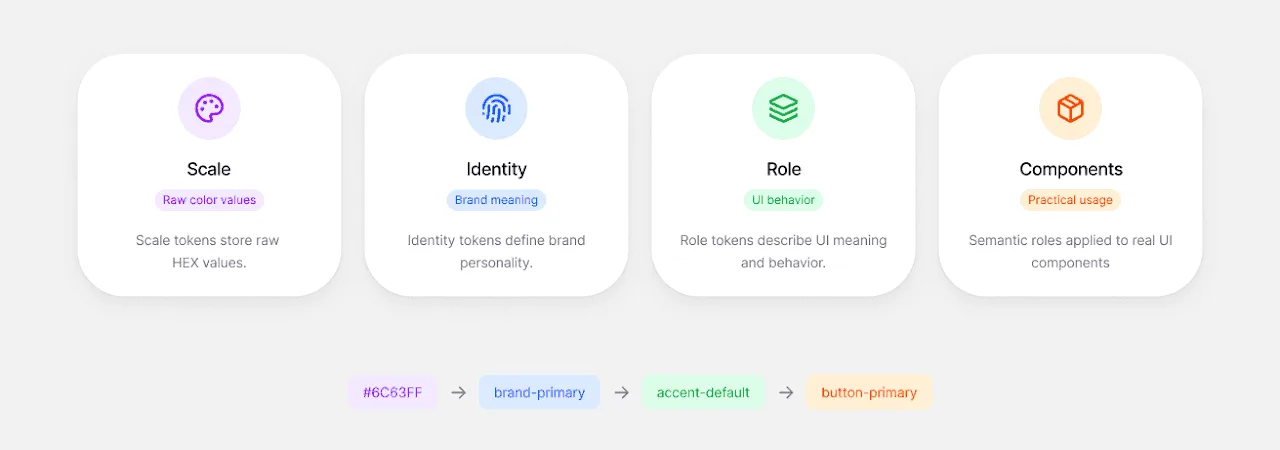
My approach was to separate raw values, brand identity, semantic roles, and component behavior into clear token layers that scale safely across brands: Scale stores raw values, Identity defines brand personality, Role describes UI behavior, and Components inherit semantic decisions. Only Scale tokens contain HEX values — everything else works through aliasing.
Variables Setup
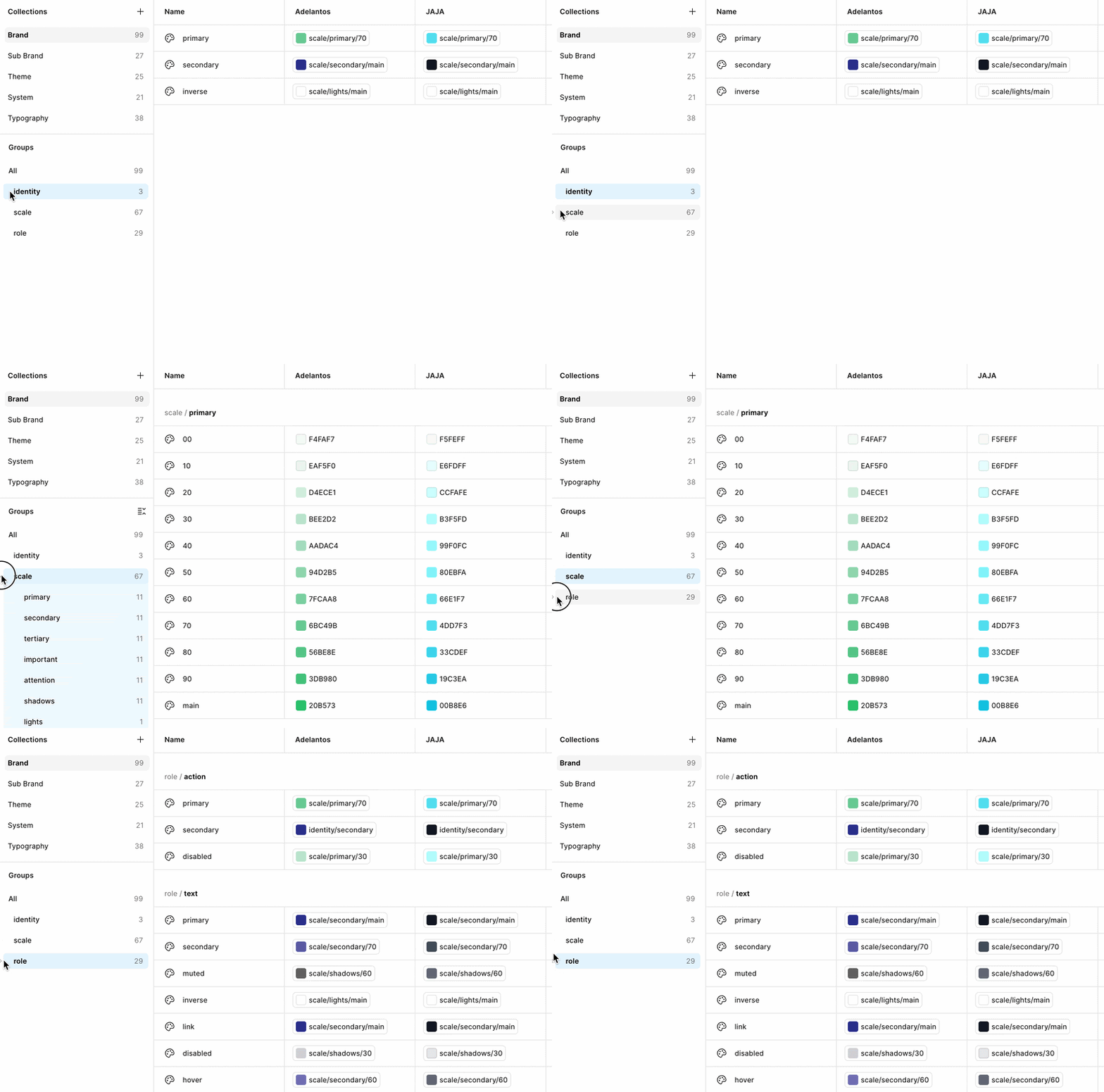
The system is built using Figma Variables with multi-mode support for different brands. This structure enables scalable multi-brand design without rebuilding the component library.
Semantic Role Tokens
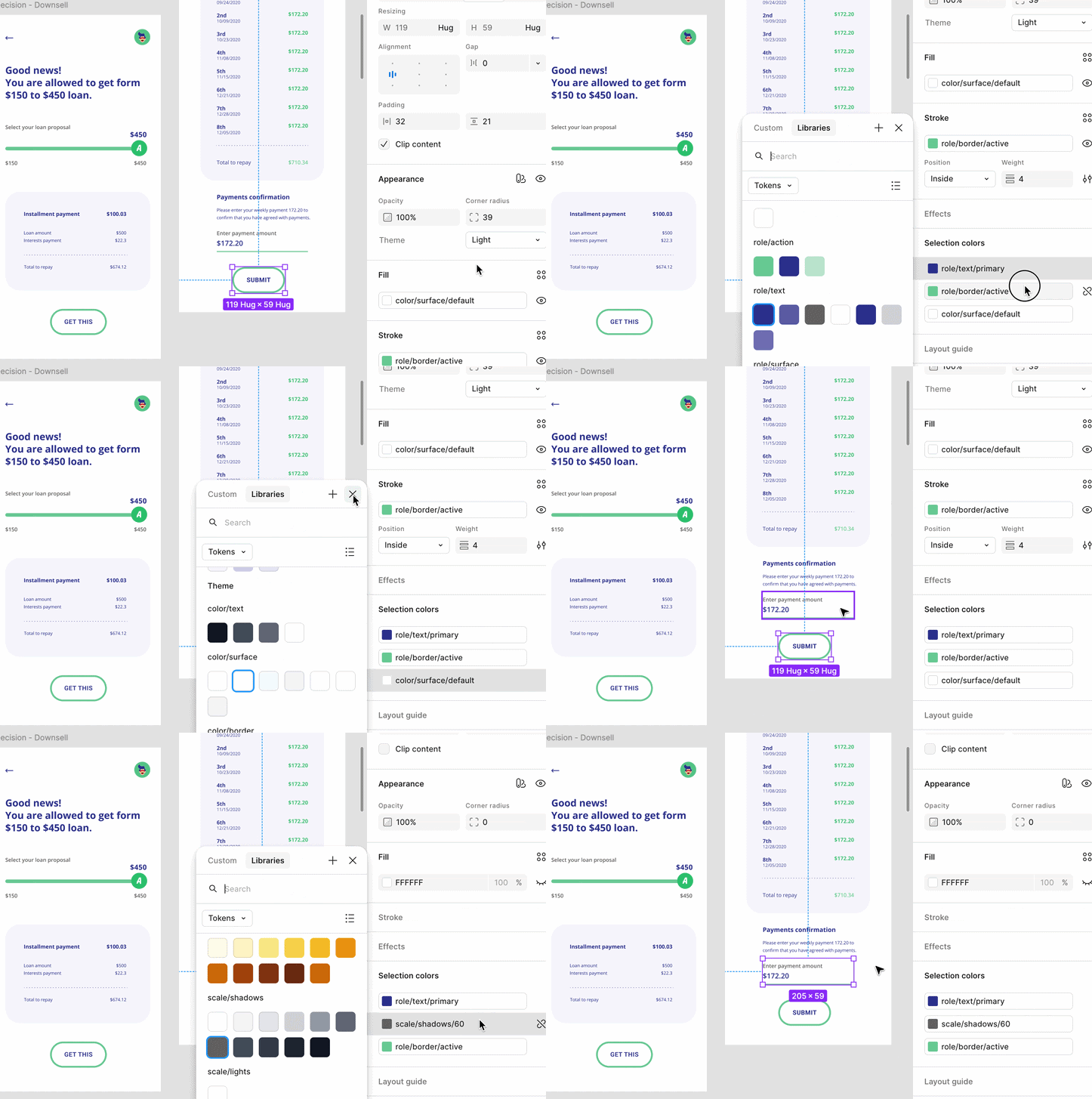
Instead of thinking in colors, the system works through product meaning: primary action, secondary action, error state, focus border, card surface, muted text. This improves consistency, simplifies maintenance, and makes scaling across multiple brands significantly faster and safer.
Multi-Brand Mode Switching
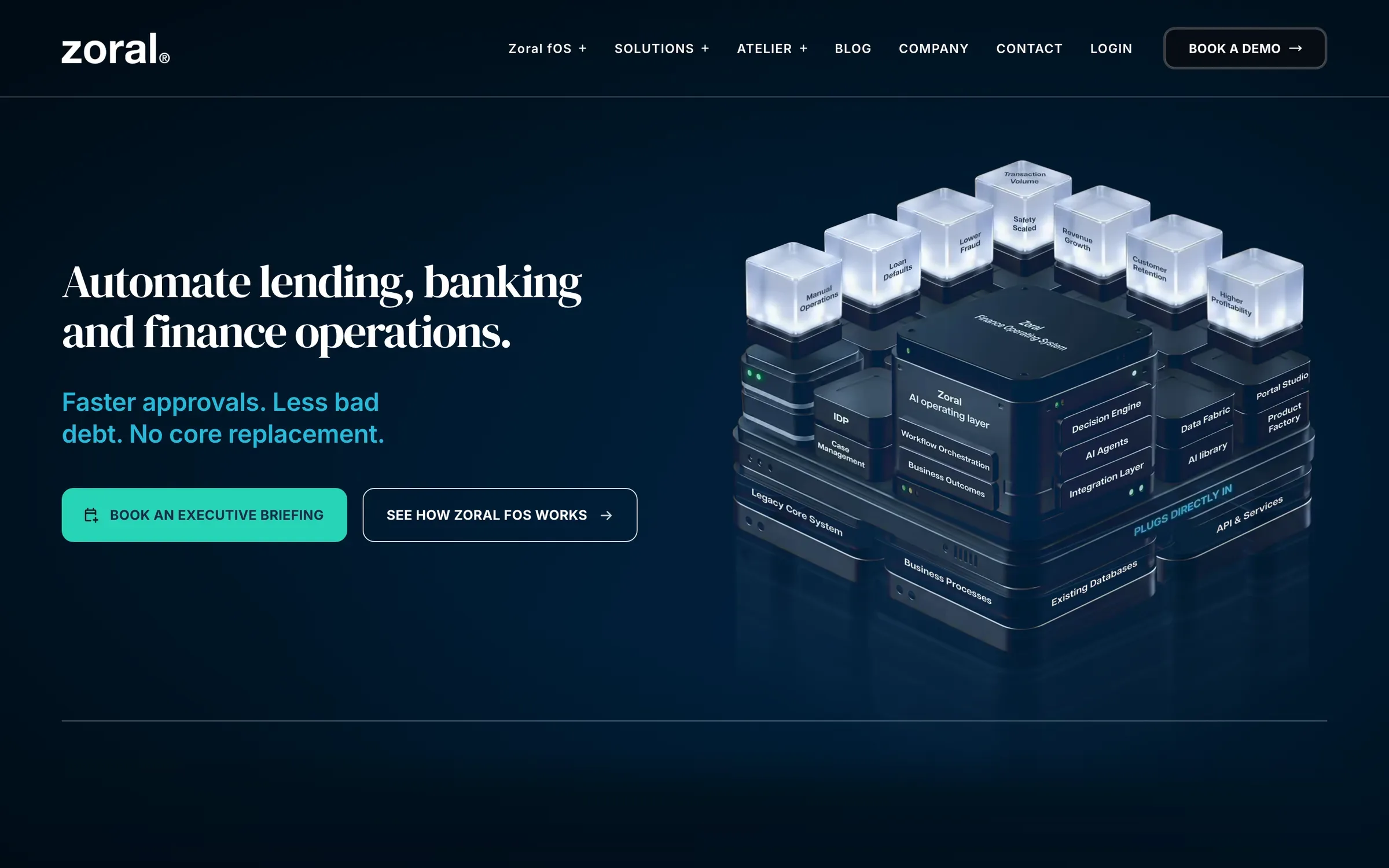
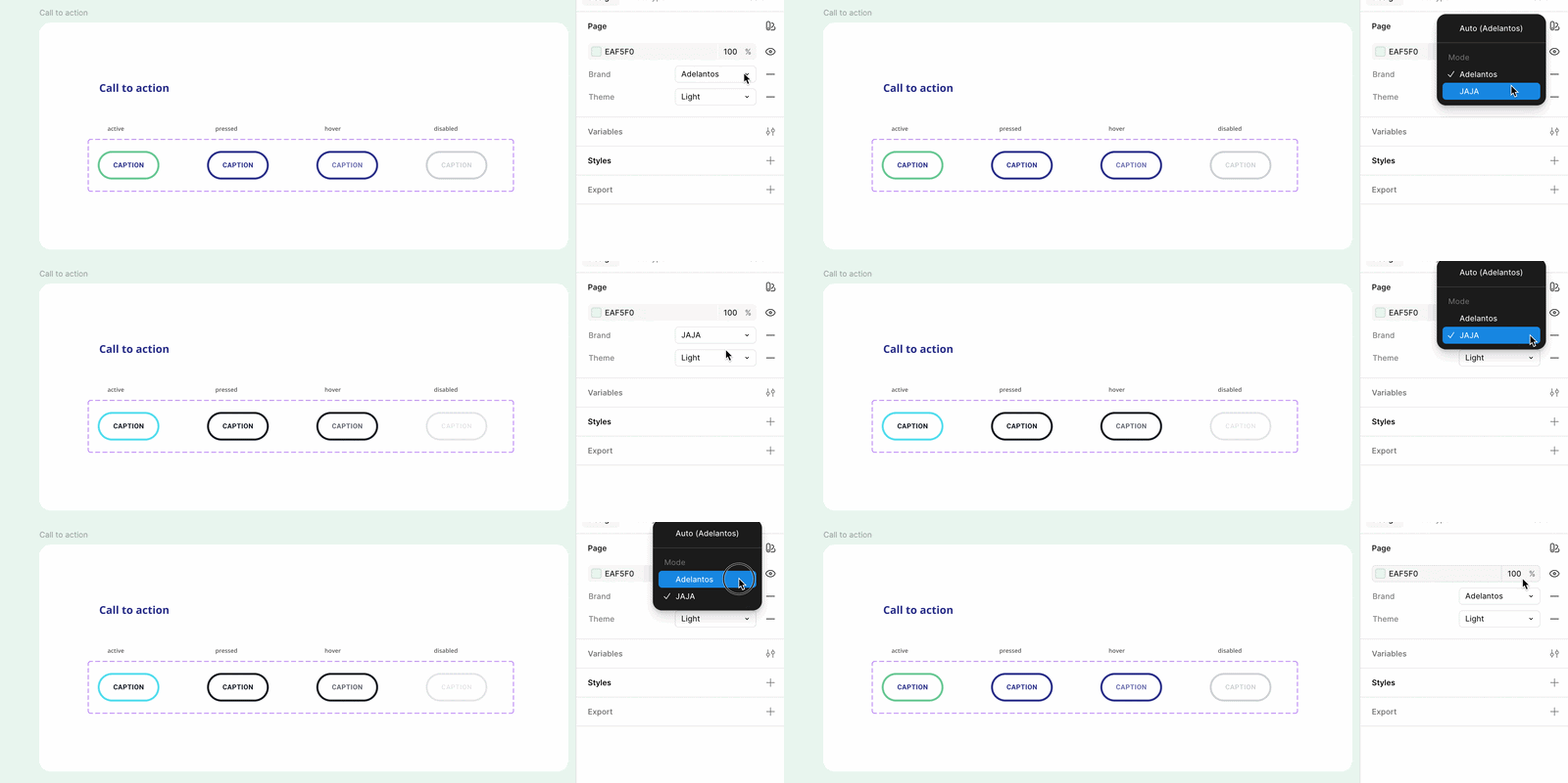
The same component library works across multiple brands using Figma Variables modes. Instead of rebuilding components for each client, the system switches visual identity through token modes — colors, surfaces, typography behavior, semantic roles, and component styling update automatically. One component library, multiple brand outputs.
Real Product Application
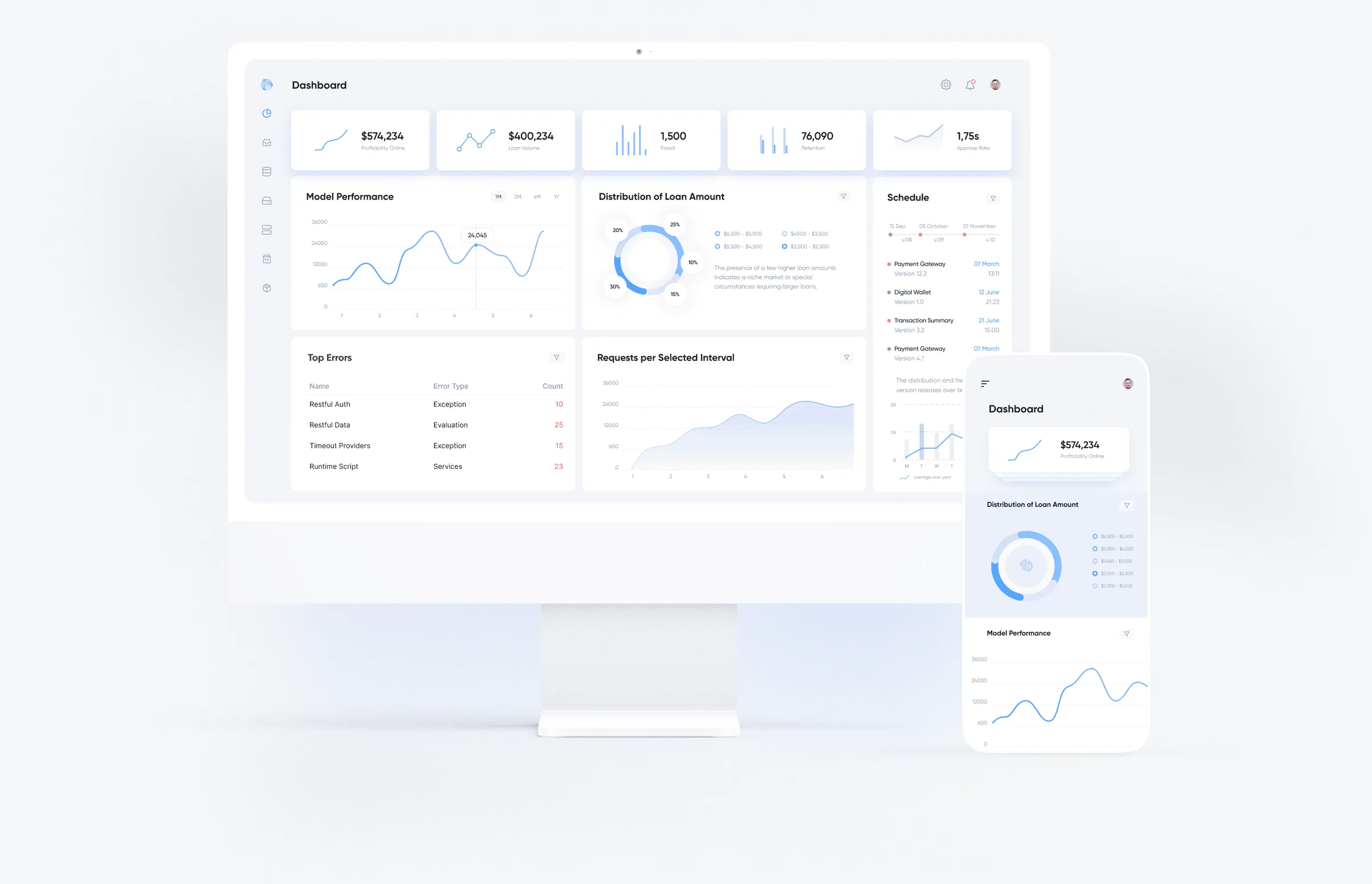
The same token system is applied directly inside product interfaces. Instead of manually styling each screen, components inherit semantic behavior automatically through variables and shared library logic — keeping UI consistent across modules, reducing maintenance effort, and speeding up delivery.
Technical Workflow
Token architecture setup, JSON import/export workflow, multi-mode brand configuration, semantic token mapping, component token connection, Figma Variables system setup, and an MCP workflow for design-development collaboration.